
Menu
Preventing Fading & Wear on Stamped Concrete in Pueblo
Stamped Concrete Pueblo
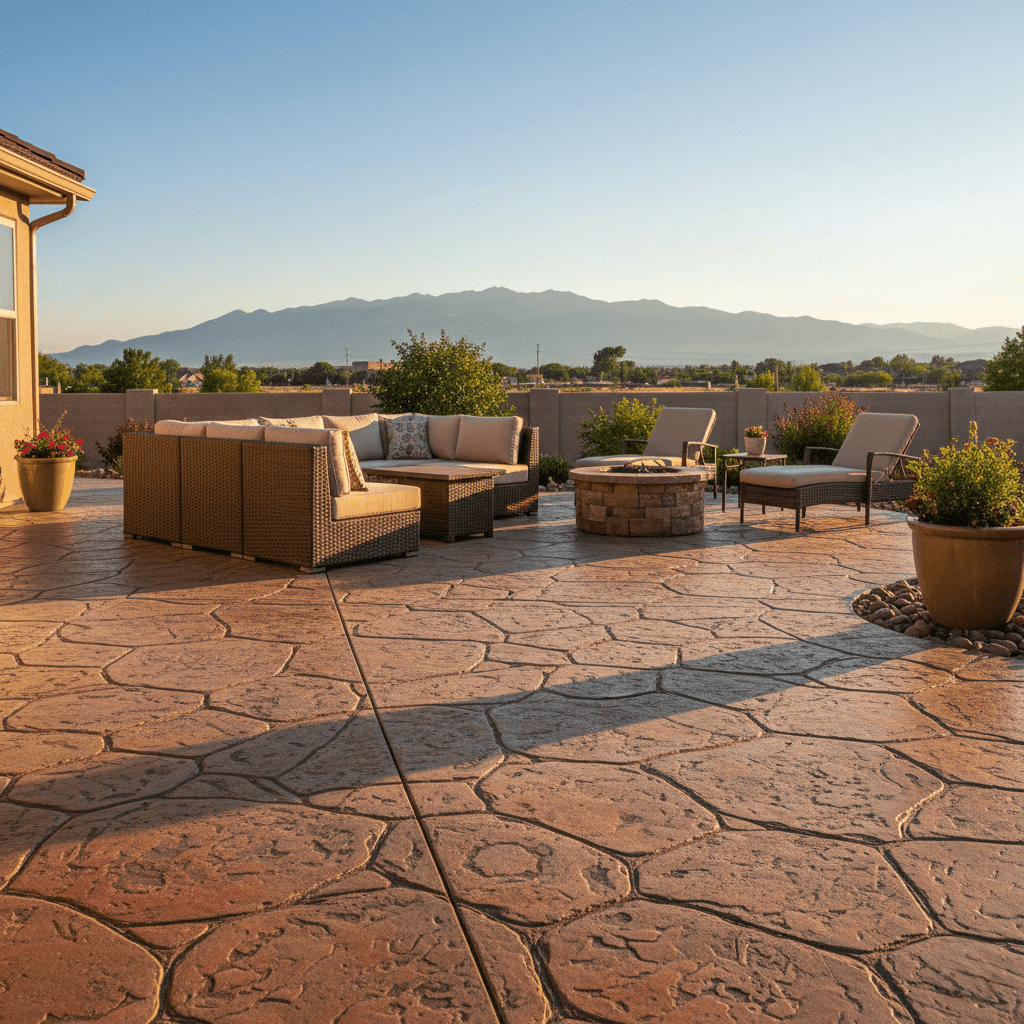
Decorative surfaces add tremendous appeal to Pueblo properties, but maintaining their vibrant appearance requires understanding how our unique environment affects outdoor concrete. From intense ultraviolet exposure at our elevation to dramatic temperature swings between seasons, stamped concrete faces challenges that demand proactive protection strategies. Many homeowners notice their once-vibrant patios or driveways losing color within a few years, assuming this deterioration is inevitable. However, proper maintenance practices preserve both beauty and structural integrity for decades, protecting your investment while keeping outdoor spaces looking spectacular year after year.
Understanding Why Stamped Concrete Fades
UV radiation represents the most destructive element responsible for causing the fading of decorative concrete surfaces. Due to its 4,700-foot elevation above sea level, Pueblo experiences a much greater intensity of UV radiation than coastal areas. Studies have demonstrated that UV radiation increases by about two percent per one thousand feet of elevation increase, which means we are subjected to an extremely high amount of UV radiation relative to lower altitude locations. Additionally, Pueblo enjoys an average of 300+ sunny days annually, resulting in a perfect combination of conditions in which unprotected concrete staining will consistently break down due to the prolonged exposure to UV radiation.
Environmental changes also result in accelerated wear beyond just the sun’s effects. The combination of freezing winter temperatures followed by rapid warming of the surface in the spring creates cyclical expansions and contractions in the concrete surface. During the summer, the surface temperature of dark colored stamping can reach extreme highs, which adds another dimension to material degradation. As rain, snow, and irrigation infiltrate the unsealed concrete, water carries minerals to the surface and, upon evaporation, deposits minerals to the surface. Collectively, these environmental conditions produce cumulative damage to the surface that exhibits itself as fading, discoloration, and surface degradation over time.
Quality of the Initial Installation
The llong-termsuccess of decorative concrete begins with the proper installation techniques and quality materials. Since color hardeners applied during finishing penetrate deeper into the concrete matrix than surface stains, they inherently provide more fade resistance than stains alone. Also, integral coloring that is dispersed throughout the entire concrete mixture provides the highest level of durability, as color is contained throughout the entire thickness of the concrete rather than being limited to the surface only. Additionally, by following manufacturer recommendations for mixing, application, and curing, professional contractors install decorative concrete systems that are far better equipped to resist the detrimental effects of environmental changes than those installed with shortcuts or improperly executed techniques.
Protecting Your Investment with Sealing
Decorative concrete sealing is your first line of defense against fading and wear. High-quality sealers create a barrier between the decorative concrete surface and the elements that cause damage. By blocking UV radiation from reaching the color pigments in the decorative concrete, while simultaneously preventing moisture from penetrating the surface and causing staining or deterioration, sealers help extend the life of your decorative concrete system. There are various forms of sealers available, each of which offers different characteristics and benefits based on the intended application and aesthetic preference. In the Aberdeen area, for example, the right sealant can make the difference between a decorative concrete system that continues to look great over the course of years of exposure to Colorado weather.
The Type of Sealer You Choose Matters
When it comes to selecting a sealer for your decorative concrete system, the type of sealer you choose plays a huge role in determining the ultimate success of your decorative concrete system. Acrylic-based sealers, for instance, offer excellent UV protection and are available in a variety of sheens, ranging from a satin finish to a high-gloss finish. These are particularly effective for decorative concrete, as they enhance the color depth of the decorative concrete and add a layer of weather resistance. Polyurethane sealers offer the greatest degree of durability and chemical resistance, making them ideal for driveways and high-traffic decorative concrete systems. Finally, penetrating sealers do not form a film on the surface of the decorative concrete; instead, they actually enter the pores of the decorative concrete, thereby protecting the inside out, while still allowing for moisture vapor transmission (breathability). This makes them particularly beneficial in areas where there is a high incidence of free-thaw cycles, as moisture that becomes entrapped behind impermeable films does not have the opportunity to expand and contract.
Scheduling of Sealing Applications
As a general rule, decorative concrete surfaces should be initially sealed immediately after the decorative concrete has fully cured (typically 28 days after placement). However, many contractors will apply sealants to freshly finished decorative concrete to protect the newly finished surface during the critical early curing phase. In terms of scheduling of subsequent sealing applications, the frequency of such applications will largely depend on the traffic load of the decorative concrete surface, as well as the type of sealer used. Residential patio areas located in proximity to Heritage Park, for example, will generally require re-sealing every 2-3 years. Conversely, decorative concrete driveways that experience vehicle traffic will likely require annual attention. Decorative concrete surfaces that experience heavy foot traffic (such as those found in commercial settings) will typically require more frequent maintenance to preserve both the appearance of the decorative concrete and the integrity of the protective coating.
Maintaining Cleanliness of Stamped Concrete
Regular cleaning of decorative concrete surfaces prevents the buildup of debris that can dull the appearance of the decorative concrete and accelerate the deterioration process. Debris should be swept or blown off decorative concrete surfaces on a regular basis (at least weekly), prior to organic material accumulating and having the potential to stain the surface of the decorative concrete. Leaves, dirt, and debris accumulate and, when left to sit, release tannins and acids that penetrate the decorative concrete, resulting in discoloration that is often difficult to remove. Routine maintenance is relatively inexpensive and can save considerable amounts of money in the event that a problem arises that necessitates extensive remedial work.
Cleaning More Than Just Dirt off Stamped Concrete
In addition to sweeping or blowing debris off decorative concrete surfaces, periodic cleaning of the decorative concrete using mild detergent and water will remove accumulated grime without compromising either the sealer or the decorative concrete. Again, use a pH-neutral cleaner specifically designed for use on decorative concrete rather than using harsh chemicals that can strip protective coatings. For heavier cleaning tasks, pressure washes can be very effective; however, the potential exists for damage to the decorative concrete surface and premature failure of the sealer. It is essential to keep pressure below 3,000 PSI and maintain a minimum of 12″ distance from the surface. Use fan tips on your pressure washer to distribute pressure evenly and reduce the likelihood of damage to the decorative concrete surface.
Prompt Attention to Spills and Stains
Oil, grease, rust, and organic stains require prompt attention in order to prevent them from penetrating into the decorative concrete. When spills occur, blot the spill rather than wiping it. Absorb the liquid using absorbent materials such as cat litter or sawdust, then remove the absorbent material and clean the area with the correct cleaners. Specialized cleaning agents are available for targeting specific types of stains, such as degreasing agents for oil, rust removers for metal stains, and enzymatic cleaners for organic stains. Always test any cleaning agent on a non-visible portion of the decorative concrete surface first to avoid unintended discoloration.
Selecting UV-Resistant Sealers
Not all sealers offer the same level of UV protection; the selection of the right sealer is important for Pueblo’s high-elevation environment. When selecting a sealer, look for sealers that have been specifically formulated with UV stabilizers that inhibit yellowing and degradation caused by exposure to UV radiation. These additives absorb UV radiation before it reaches the decorative concrete surface, thereby extending the life of the color. Typically, manufacturers will indicate the UV protection rating of their sealers, with higher ratings indicating greater protection against the intense UV radiation that occurs in environments similar to Pueblo’s.
UV Protection Offered by Film-Forming Sealers
Film-forming sealers create a physical barrier between the decorative concrete surface and the environment, providing good protection against UV radiation when properly maintained. While film-forming sealers are generally effective, they can exhibit wear patterns in high-traffic areas and will eventually require removal and reapplication. Penetrating sealers with UV-blocking additives provide protection internally to the decorative concrete while maintaining the ability to breathe, thereby allowing moisture vapor to escape from the surface. This ability to breathe is especially useful in areas that experience free-thaw cycles, as the ability of trapped moisture to exert pressure behind impermeable films is eliminated.
Design Strategies to Minimize Damage Caused by Direct Exposure to Pueblo’s Intense Sunlight
By implementing design strategies from the beginning, the negative impact caused by direct exposure to Pueblo’s intense sunlight can be minimized. Outdoor living areas and entertainment spaces can be positioned to receive shade from late afternoon sun from structures or landscaping, thereby minimizing direct UV exposure during peak hours. Awnings, pergolas, and other shade-producing structures can protect while maintaining the functionality of the outdoor living space. Even partial shading of decorative concrete surfaces can greatly reduce the cumulative effect of UV radiation over extended periods of time. Mature trees surrounding Fountain Creek can provide shade for surfaces; however, care must be taken to prevent organic debris accumulation.
Aesthetic Preferences vs. Practical Considerations – Choosing the Right Color
While surface color affects both the heat absorption and rate of fading, lighter colors tend to reflect a greater percentage of solar radiation, thus remaining cooler and experiencing less thermal stress than darker surfaces. However, lighter surfaces are more prone to staining and thus will require more consistent cleaning to maintain an acceptable appearance. Earth tone colors are often the most practical compromise, as they provide an aesthetically pleasing appearance while controlling both heat absorption and the visibility of staining.
Seasonal Maintenance Considerations
Maintenance activities are ideally performed in the spring, including the thorough cleaning and re-sealing of decorative concrete surfaces. Spring cleaning prepares surfaces for the hottest summer months when UV radiation is most intense. In the fall, maintenance is focused on preparing the decorative concrete surface for the winter. Fall maintenance includes removing fallen leaves to prevent tannin staining. If necessary, apply additional sealer to high-traffic areas to provide additional protection during harsh winter weather. Prior to the onset of freezing temperatures, inspect drainage around the decorative concrete surfaces to determine if standing water is present. Standing water that freezes will cause significant damage to decorative concrete surfaces due to expansion pressure.
Winter Protection Strategies
When selecting de-icing products for decorative concrete surfaces, care must be exercised in the selection of products, as some de-icers are known to damage the decorative concrete and accelerate the breakdown of protective sealants. Sodium chloride, calcium chloride, and other aggressive de-icers should not be used on decorative concrete surfaces. Instead, sand provides traction without causing chemical damage to the decorative concrete. However, sand must be cleaned up once temperatures rise again. Magnesium chloride is less damaging than other salts and can be used if aggressive de-icers are required. Regardless of whether de-icer is used, all de-icing residue must be promptly cleaned from decorative concrete surfaces once melting occurs to prevent residue buildup that can cloud sealants or stain decorative concrete.
Indicators That Sealing May Be Required
There are several indicators that decorative concrete surfaces require attention. One of the easiest tests to perform is to sprinkle water across various locations of the decorative concrete surface to determine the extent of water absorption. If water beads on the surface of the decorative concrete, it is sealed. If the water rapidly absorbs into the surface, the decorative concrete is not sealed, or the protective coating has broken down. Discoloration of the decorative concrete indicates that UV radiation has reached the pigments, suggesting the protective coating has failed. Loss of luster, or dullness of the decorative concrete surface, suggests that the protective coating has begun to degrade, although it may not be obvious until noticeable increases in water absorption become evident.
Visible Wear Patterns
High-traffic areas of decorative concrete surfaces will exhibit visible wear patterns as a result of foot traffic or furniture movement, revealing that the protective coating has worn off. The exposed area will typically appear lighter in color or display texture differences compared to protected areas. White haze or spotting may occasionally develop on decorative concrete surfaces when moisture becomes trapped beneath a failing protective coating, requiring total removal of the existing coating and reapplication of a new protective coating rather than simply applying a new protective coating over the compromised coating.
Restoring Faded Stamped Concrete
Faded decorative concrete surfaces can be restored to their original vibrancy through restoration techniques. Preparation of the surface begins with a thorough cleaning and removal of any old sealer. If an old sealer is present, chemical strippers or mechanical grinding may be necessary to completely remove the deteriorated coating and expose the decorative concrete for treatment. Clean the decorative concrete thoroughly before testing cleaning methods in small, inconspicuous areas to confirm that the cleaning method achieves the desired results without damaging the underlying decorative concrete surface. Proper preparation is essential for successful restoration.
Specialty Stain Restoration of Faded Pigments
Color restoration of faded decorative concrete involves the use of special stains designed to penetrate into the decorative concrete to restore the faded pigments. There are many different colors available in specialty stains to enable a close match to the original colors. The application of the stain to the prepared surface typically involves spraying or brushing the stain onto the surface in an irregular pattern to create a natural look rather than a uniform flat appearance. Thin, multiple coats are applied to build the color, enabling more precise control of the ultimate color intensity. Once the staining process is complete and the stain has dried, the renewed colors are locked in place with a clear protective coating.
Professional Maintenance Services
Some complex restoration projects will benefit from the expertise of a professional contractor. Professionals understand the compatibility of products, the application techniques, and the timing required to achieve optimal results. Professionals also have specialized equipment for surface preparation, stain application, and sealer application that produce superior finishes to those achieved with consumer-grade equipment. Professionals can identify underlying problems, such as structural problems or poor drainage, that contributed to the deterioration of the decorative concrete surface, and address these underlying problems.
Professional Scheduled Maintenance Programs
Regular professional maintenance services provide ongoing scheduled maintenance of decorative concrete surfaces to keep them in pristine condition year-round. Such programs typically include periodic cleaning, re-sealing, and minor repairs to prevent problems from becoming major ones. The cost of such programs is predictable through service agreements and eeliminatesthe responsibility of the homeowner to track maintenance schedules and perform labor-intensive work. Property owners in neighborhoods such as Belmont maintain beautiful outdoor living spaces through professional care that protects their investment in decorative concrete surfaces.
Long-Term Value Protection
Maintenance costs are generally much lower than restoration or replacement costs of neglected decorative stamped concrete. Investments made in quality sealers and regular cleaning will result in protection of the surface of the concrete for many decades, while neglecting decorative stamped concrete will require the homeowner to invest money in costly color restorations, sealer removals, and possibly total replacement of the concrete as deterioration reaches structural levels. The simple math favors proactive maintenance and thus makes maintenance a cost-effective investment when considered over normal periods of ownership.
Well-maintained stamped concrete provides a significant increase in property value and curb appeal. Homebuyers will take notice of beautiful, well-cared-for outdoor areas, which may indicate other quality characteristics of the property being purchased. Poorly maintained stamped concrete (fading, staining, etc.) will create negative perceptions and may reduce property value or increase days on market for the seller. Providing excellent maintenance for decorative concrete allows for long-term enjoyment and also long-term protection of resale value, whether the owner is planning to live in their home for a few months or several decades.
Installation & Maintenance Expert Solutions
The first step toward success with your decorative stamped concrete is through proper installation utilizing high-quality materials and methods. Throughout Pueblo, we have installed hundreds of stamped concrete projects and have developed a good understanding of how regional environmental conditions canaffectt the performance of decorative concrete. In addition, all of our installations include established industry standards for color application, texture, and initial sealing to ensure a long-lasting foundation of color and beauty. Each decorative stamped concrete project receives personalized service from our experienced staff to ensure that each project meets the unique conditions and aesthetics desired at each location.
We also offer ongoing maintenance support to help keep your investment looking like new after years of use and exposure to the elements. Whether you need a professional clean, re-seal your decorative stamped concrete, or restore the original colors of your decorative stamped concrete, our staff has the experience and knowledge to produce results that our customers are proud to show off. From patios located near the Colorado State Fairgrounds to driveways in Centennial, Pueblo Concrete Services has provided years of maintenance services to decorative stamped concrete surfaces that have impressed their viewers and have provided years of enjoyable use for those who value quality outdoor living spaces.
LATEST POSTS